Pain Management

Comprehensive, Non-Surgical Support for Chronic & Acute Pain

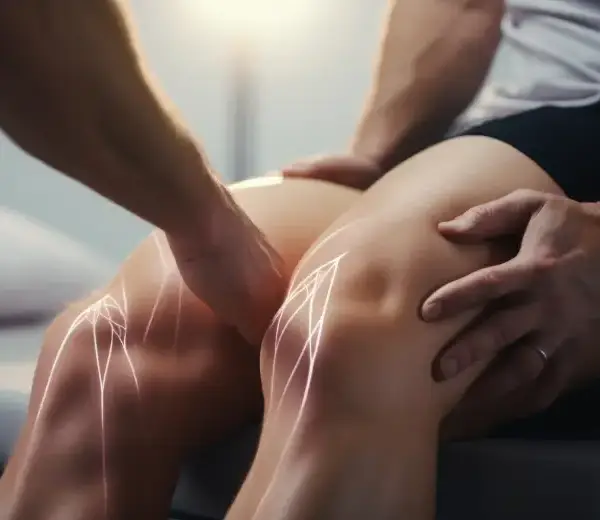
Musculoskeletal pain can affect mobility, sleep, and overall quality of life. At Sikora Integrative Medicine, our pain management program offers a complete integrative approach using evidence-informed, non-surgical techniques to help calm inflammation, support tissue healing, and restore function.

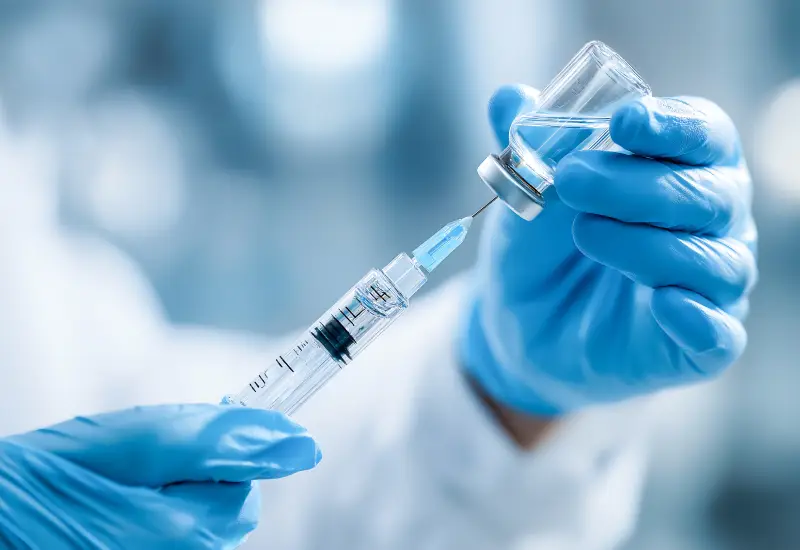
We combine acupuncture, targeted injections, orthobiologics, and diagnostic tools, such as musculoskeletal ultrasound, to address pain related to injury, overuse, nerve irritation, or chronic tension.

Each treatment plan is personalized to reduce discomfort and help you move more comfortably throughout daily life.

What Is IV NAD+ Therapy?
Why Choose Sikora Integrative Medicine.

Pain Management Led by Dr. Alita Sikora

Our care is led by Dr. Alita Sikora, MD, a board-certified physician in Physical Medicine and Rehabilitation who has practiced in Vero Beach since 2007 and completed residency training at NewYork-Presbyterian, University Hospital of Columbia and Cornell.

Her background in restoring movement and function supports careful evaluation, personalized treatment planning, and coordinated follow-up for patients with musculoskeletal pain.

Pain Management Services We Offer

We offer non-surgical, evidence-informed options for different sources of musculoskeletal pain, with treatment selected based on your symptoms, evaluation, and goals.

Acupuncture

A gentle, time-tested technique that may help reduce muscle tension, support circulation, and promote natural balance in the musculoskeletal system, particularly for ongoing muscle tension or discomfort.

Joint Injections

Targeted injections that deliver supportive substances into irritated joints are often used in the knees, shoulders, hips, and other commonly affected areas to help reduce discomfort and facilitate movement.

Musculoskeletal Ultrasound

Real-time imaging that helps identify damaged or inflamed tissues and guides precise treatment for joints, tendons, ligaments, and muscles. This is used in the office when imaging helps clarify the source of pain.

Perineural Injections

A dilute dextrose technique is used to calm irritated superficial nerves and support more comfortable movement when nerve irritation may be contributing to pain.

Shockwave Therapy

Acoustic-wave technology that may support recovery in chronic soft-tissue conditions, help break up adhesions, and reduce persistent pain, with improvement often developing gradually.

Trigger Point Injections

Administered directly into tight muscular trigger points to help release tension and improve mobility, often used for localized knots and muscle tightness.

Orthobiologics

Our orthobiologic offerings may support tissue recovery and joint comfort, with options selected based on your condition and goals:

Benefits of Integrative Pain Management

Our approach may help support:

  • Improved mobility and joint function
  • Reduced inflammation and soft-tissue discomfort
  • Enhanced accuracy using ultrasound-guided treatment
  • Recovery from repetitive strain and chronic pain
  • Complementary support alongside PT, rehab, or regenerative therapies
  • Personalized, multimodal treatment plans
How Perineural Injections Work
Treatment Results and Timeline

Pain Conditions and Symptoms We Address

Patients commonly seek pain management for:

  • Joint pain in the knees, hips, shoulders, elbows, or ankles
  • Muscle tension or recurring spasms
  • Tendon or ligament irritation
  • Overuse or sports injuries
  • Nerve irritation, burning, tingling, or shooting sensations
  • Chronic localized pain
  • Limited mobility related to musculoskeletal conditions

Pain management is not appropriate for every condition. If your symptoms require urgent care or surgical evaluation, our team will help guide you toward the appropriate next step.

Non-Surgical Treatment Options for Chronic Joint Pain

Treatment depends on the cause and severity of your pain, prior care, and overall health. Non-surgical options may include:

Exercise and conservative care

Activity changes, strengthening or physical therapy, and weight management, treatments the NIH includes in standard osteoarthritis care.

Medication and topical care

Options that may help manage pain or inflammation based on your health history.

Joint injections

Targeted injections may help manage joint discomfort and support mobility for selected patients.

PRP and orthobiologics

These may be considered depending on your diagnosis, prior treatment, and individual goals.

Other pain therapies

Acupuncture, shockwave therapy, trigger point injections, or perineural injections may be appropriate when muscle, tendon, or nerve-related pain is also involved.

Not every patient needs every option. Our team uses your evaluation and appropriate imaging to determine where to start, while advanced joint damage or certain structural conditions may require surgical evaluation.

What to Expect During Pain Management Care

Your care follows a clear path from evaluation through follow-up.

1. Initial Consultation

We review your symptoms, how long you’ve had them, what you’ve already tried, and your goals for movement and daily activity.

2. Evaluation & Imaging

A physical exam is performed, with musculoskeletal ultrasound used when appropriate to evaluate joints, tendons, ligaments, muscles, or nerves and guide treatment planning. Existing imaging may also be reviewed when relevant.

3. Personalized Treatment Plan

We discuss which options may fit your diagnosis, what treatment involves, expected timelines, limitations, and relevant costs before you decide how to proceed.

4. Treatment

Care is provided according to your plan, with ultrasound guidance used for certain procedures when appropriate. Appointment length varies by treatment, and we'll explain what to expect when your visit is scheduled.

5. Follow-Up & Adjustments

Our team reviews your response and may recommend follow-up care, repeat sessions, or changes to your plan based on your progress and goals.

Recovery and Treatment Considerations

  • Recovery varies: Temporary soreness may occur after some injections, and activity guidance depends on the treatment.
  • Results may take time: PRP, orthobiologics, and shockwave therapy may show improvement gradually.
  • Response is not the same for everyone: Advanced joint degeneration, active infection, or certain health conditions may limit how well a treatment works.
  • Treatment is individualized: Our team considers your diagnosis, health history, medications, and other factors before recommending care.
When to Expect Results

Frequently Asked Questions

What types of injuries or conditions can musculoskeletal ultrasound help diagnose?

Musculoskeletal ultrasound can help identify tendinopathy, tears, bursitis, nerve irritation, muscle strains, and joint inflammation, thereby guiding treatment to the appropriate structure.

How do I know which pain management option is right for me?

Dr. Sikora or a member of our medical team will evaluate your symptoms, perform an examination, and use diagnostic tools such as musculoskeletal ultrasound to recommend a plan based on the underlying cause of your discomfort.

Can I combine multiple pain management therapies?

Often, yes. Acupuncture, orthobiologics, ultrasound-guided injections, and perineural therapy can be paired to address more than one source of pain. Which combinations are appropriate depends on your diagnosis and is decided at your consultation.

How soon will I feel relief, and how many treatments will I need?

It depends on the treatment. Some injections bring relief within days, while PRP works gradually, with tissue rebuilding typically over about four to six weeks. Shockwave and orthobiologic treatments often involve a series. Your provider will outline the expected number at your consultation.

Are regenerative treatments like PRP and stem cell therapy FDA-approved?

PRP uses your own blood and is prepared with FDA-cleared equipment, though it is not FDA-approved to treat specific orthopedic conditions. According to the FDA's consumer alert on regenerative medicine products, stem cell and exosome products, including those from Wharton's Jelly and adipose tissue, are not approved for any orthopedic condition. We'll review the evidence and limits with you before recommending treatment.

Can non-surgical treatment help me avoid joint replacement?

For some patients, yes. Non-surgical options are often worth exhausting first and may delay or reduce the need for surgery. For advanced joint degeneration, surgery may still be the better answer. An exam and imaging help determine which applies to you.

Does insurance cover pain management treatments?

Coverage varies by treatment type, and many regenerative and integrative therapies are self-pay. Our team will review applicable costs with you, and financing is available through M Lend Financial.

Start Your Pain Management Care

Pain that limits how you move deserves a clear diagnosis before any treatment is chosen. At Sikora Integrative Medicine, that evaluation is led by a board-certified physician.

Contact our Vero Beach team to find out what’s driving your pain, which non-surgical options are a good fit, and what treatment would cost. Financing through M Lend Financial is available , making advanced care more accessible and affordable.

Disclaimer: This information is provided for educational purposes only and is not intended to be medical advice. It should not be used to diagnose, treat, or cure any condition. Always consult your healthcare provider for personalized guidance. Services are available exclusively to Florida residents.