Perineural Injections

Targeted Support for Nerve Pain & Chronic Inflammation

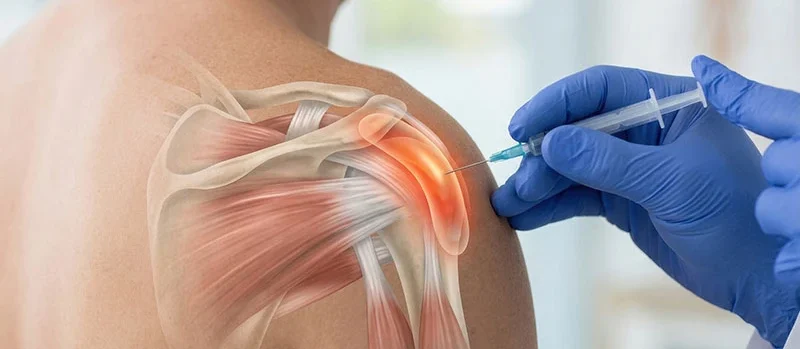
Perineural Injection Therapy (PIT) is a gentle, minimally invasive treatment designed to support irritated or dysfunctional peripheral nerves. Developed by Dr. John Lyftogt in New Zealand and introduced to our practice by Dr. Sikora, this technique targets injured and non-healing sensory nerves that may cause tight muscles, painful joints, or soft tissue pain.

When nerves near the surface of the skin become inflamed—often due to overuse, injury, movement over bone surfaces, or entanglement with scar tissue—they can contribute to pain, burning, tightness, and restricted movement, particularly in conditions affecting tendons, joints, or nerves.

Perineural injections use a diluted dextrose solution, delivered just beneath the skin (without steroids or anesthetics), to help calm “sensitized” sensory nerves. This approach may support healthier nerve signaling, reduce neurogenic inflammation, and enhance comfort and mobility without the need for invasive surgery.

Key Benefits of Perineural Injection Therapy

Perineural injections may offer natural support for:

  • Calming nerve irritation and hypersensitivity
  • Reducing chronic or stubborn pain patterns
  • Supporting mobility and range of motion
  • Improving tissue comfort and function
  • Reducing inflammation around superficial nerves
  • Complementing other regenerative treatments

Because PIT works directly on the irritated nerve pathways, many patients experience relief soon after treatment. Our experience shows a response rate of ~85% with a series of 3-5 treatments.

Conditions Commonly Treated with Perineural Injections

PIT may be recommended for:

Chronic nerve pain or neuralgia

PIT may help calm irritated superficial nerves, reducing ongoing sensitivity or discomfort.

Entrapment neuropathies (sensory nerve irritation)

 These injections may help ease symptoms caused by compressed or irritated sensory nerves.

Post-injury nerve irritation

PIT may support healing environments for nerves irritated after a sprain, strain, or soft-tissue injury.

Tendon or ligament pain with nerve involvement (e.g., Achilles, patellar)

By soothing nearby irritated nerves, PIT may help reduce pain around stressed tendons or ligaments.

Shoulder, elbow, knee, or ankle nerve-path irritation

PIT may help calm inflamed or overactive nerves in common joint areas affected by daily movement.

Pain that radiates, burns, “zings,” or feels hypersensitive

 PIT may help quiet overactive sensory nerves responsible for sharp, shooting, or electrically sensitive pain.

Overuse conditions where superficial nerves glide repeatedly over bone (e.g., ITB syndrome in runners and cyclists)

PIT may help decrease friction-related nerve irritation caused by repetitive motion or high-impact activity.

Neck or low-back pain with superficial nerve involvement

These injections may help alleviate burning, zinging, or hypersensitive pain patterns associated with surface-level nerve irritation.

We will assess whether PIT is the proper treatment based on your symptoms and the pattern of nerve tenderness.

How Perineural Injections Work

We offer three customizable microneedling options to suit different goals and skin needs.

Perineural (superficial sensory) nerves can become inflamed due to injury, compression, repetitive strain, movement over bone surfaces (such as in runners or cyclists), or by becoming entangled in scar tissue in tendons.

PIT uses:

  • A dilute dextrose solution
  • Shallow injections along the nerve course, just beneath the skin (“much like a TB-test or pin-prick.”
  • Targeted treatment of sensitized nerve branches, avoiding steroids or anesthetics

This helps reduce “over-firing” of irritated nerves and supports healthier nerve function. PIT is often used as part of a comprehensive plan alongside physical therapy, regenerative injections, or lifestyle corrections.

What to Expect During the Treatment

Perineural injections are a comfortable, quick, and minimally invasive procedure.

Step-by-step:

1

Preparation

We evaluate your symptoms, map the affected nerve pathways, and identify which nerves require treatment.

2

Injection

A very short, small needle is used to place the diluted dextrose solution beneath the skin along the tender nerve pathways. The procedure often takes 10–20 minutes.

3

Recovery

Most patients resume regular activity immediately. Mild redness or tenderness at injection sites may occur temporarily. Since no anesthetic is used, no special recovery steps are required.

4

Treatment Plan

 A series of treatments is typically recommended, often spaced 7-10 days to 2-4 weeks apart, depending on the number of nerves involved, the duration of nerve inflammation, and the extent of nerve involvement.

When to Expect Results

Relief can be noticed quickly, especially if nerve irritation is the primary source of symptoms.

Typical improvement timeline:

  • Immediate or early relief: minutes to hours
  • Sustained improvement: over several sessions
  • Full benefit: often seen after 3-5 treatments (or more if nerves are widespread or longstanding)

Nerves that have been irritated for long periods or involve multiple branches may require a longer treatment course.

Other Pain Management Services We Offer

We also offer a range of non-surgical, evidence-informed treatments.

Who Is a Good Candidate for Perineural Injections?

Perineural injections may be appropriate for individuals experiencing nerve-related pain patterns, chronic tension, or sensitivity resulting from overuse, irritation, or minor nerve entrapments. They are often considered when symptoms persist despite stretching, physical therapy, posture correction, or other conservative measures.

Candidates typically include adults seeking a gentle, non-surgical approach to reduce pain, improve motion, and calm irritated superficial nerves. We will assess your symptoms, exam findings, and goals to determine whether perineural therapy is the right option for you.

Why Choose Sikora Integrative Medicine

We offer a precise, patient-centered approach to pain management, ensuring each treatment is tailored to your unique pattern of discomfort. Our team focuses on safe, evidence-informed therapies paired with clear, supportive guidance.

What sets us apart:

  • Customized treatment planning based on your nerve-related pain patterns and functional goals
  • Compliance-focused regenerative and pain management therapies that follow current safety standards
  • Access to complementary options such as ultrasound diagnostics, PRP, shockwave therapy, and peptide support
  • Thorough patient education to ensure you understand each step of your care
  • A welcoming, supportive environment dedicated to comfort, clarity, and long-term relief
Frequently Asked Questions

Most patients feel only a slight sting. Because the injections are very shallow, discomfort is minimal.

No. PIT uses a diluted dextrose solution, not corticosteroids, and supports healthier nerve function rather than just suppressing inflammation.

Most patients undergo 3-5 treatments; the number may be higher, depending on the number of nerves involved and the duration of the irritation.

Yes. PIT often pairs well with regenerative therapies and rehabilitative care for more complete support.

Coverage varies. In many cases, insurers consider the treatment “unproven,” so it may be necessary to pay out of pocket. Cost depends on the number of nerves treated and the complexity of the neurogenic inflammation.

Schedule Your Consultation Today

Connect with our team to discuss your concerns, explore available therapies, and receive personalized recommendations tailored to your needs. We also offer convenient financing through M Lend Financial to help you begin treatment.

Disclaimer: This information is provided for educational purposes only and is not intended to be medical advice. It should not be used to diagnose, treat, or cure any condition. Always consult your healthcare provider for personalized guidance. Services are available exclusively to Florida residents.