Peptides for Sleep & Recovery

When Poor Sleep Affects Recovery

Trouble sleeping can leave you tired during the day and make it harder to recover after exercise or physical activity. These concerns may be connected, but they can also stem from stress, sleep habits, medications, hormonal or metabolic factors, or an underlying sleep disorder.

Certain sleep-related peptides are associated with growth hormone signaling and other processes involved in normal sleep and recovery. Their potential benefits, limitations, and supporting evidence vary by compound.

At Sikora Integrative Medicine, we assess your sleep concerns, daytime energy levels, health history, and recovery needs before determining whether personalized peptide therapy is appropriate.

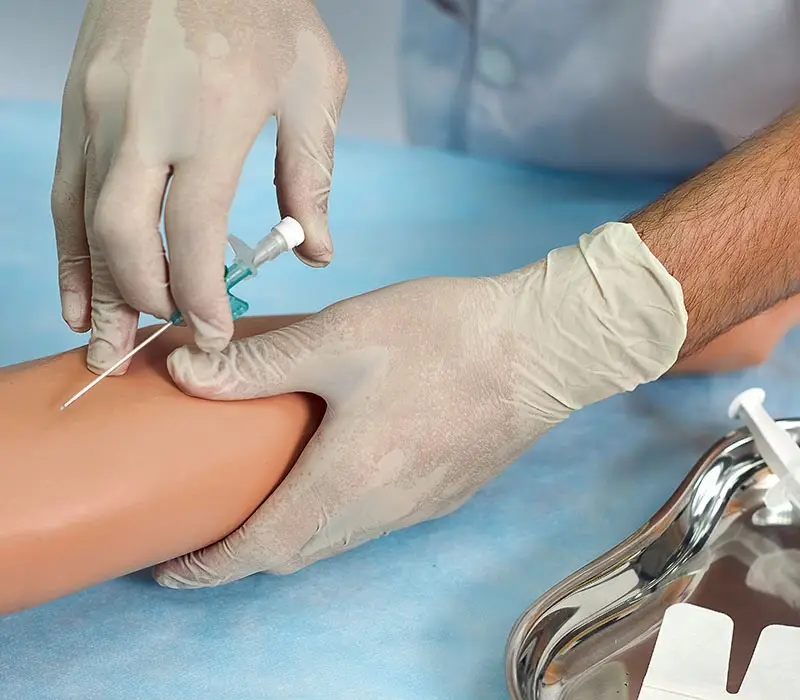
Peptide therapy consultation for sleep and recovery support

Hormone Optimization & Wellness

Contact us for more Information

    Peptide therapy consultation for sleep and recovery support

    Sleep Quality and Recovery Function

    Sleep supports daytime energy, physical function, and recovery. Growth hormone secretion is associated with slow-wave sleep, but this does not mean every compound affecting growth hormone will improve sleep.

    Possible treatment goals may include:

    • Supporting sleep quality
    • Addressing physical recovery
    • Exploring daytime energy concerns
    • Supporting body composition and function

    Evidence may involve hormone levels, sleep stages, or patient-reported symptoms. These outcomes differ, and the clinical benefits of several peptides for sleep and recovery remain uncertain.

    Compounds Associated With Sleep and Recovery

    The peptide catalog provides a broader overview of compounds associated with sleep, energy, and recovery. These options affect growth-hormone-related pathways in different ways and vary in supporting evidence.

    CJC-1295

    CJC-1295 has been proposed to affect sleep quality, energy, protein synthesis, and injury recovery. As a growth hormone-releasing hormone analog, it is linked to sleep and physical recovery primarily through hormone signaling.

    Ibutamoren (MK-677)

    Ibutamoren is an oral growth-hormone secretagogue rather than a peptide. Its proposed benefits include sleep quality, energy, endurance, and cellular repair. A small human trial reported changes in deep and REM sleep, but this does not establish Ibutamoren as a sleep treatment.

    Ipamorelin

    By stimulating growth hormone release, Ipamorelin may indirectly affect sleep and recovery. Proposed roles include sleep quality, energy, endurance, collagen production, and cellular repair. Human pharmacology data for Ipamorelin support its effect on growth hormone release, but do not demonstrate improved sleep or recovery.

    Sermorelin Acetate

    Sermorelin Acetate stimulates the body’s release of growth hormone through growth hormone-releasing hormone signaling. Its proposed roles include sleep quality, energy, strength, wound healing, and other recovery-related functions, although direct evidence for improved sleep remains limited.

    CJC-1295 + Ipamorelin and Sermorelin + Ipamorelin are also listed as formulations in the referenced peptide catalog. Their inclusion does not establish that combining these compounds provides greater sleep or recovery benefits.

    Evidence note: Proposed benefits are not proven clinical outcomes.

    Factors That Affect Patient Suitability

    Peptide therapy for sleep may be considered when sleep concerns are accompanied by low energy or slower physical recovery. Suitability depends on:

    • Symptoms: The sleep pattern, duration, and effect on daily function
    • Recovery goals: The specific changes a patient hopes to address
    • Underlying factors: Sleep habits, stress, hormones, metabolism, and activity level
    • Strength of evidence: Support varies among CJC-1295, Ipamorelin, Ibutamoren, and Sermorelin

    A medical evaluation can determine whether peptides for better sleep align with the patient’s needs and realistic goals.

    Peptide therapy consultation for sleep and recovery support
    Peptide therapy consultation for sleep and recovery support

    Sleep Concerns Requiring Further Evaluation

    Some symptoms may point to a sleep disorder or another condition requiring separate care:

    • Loud snoring, gasping, or breathing pauses
    • Persistent difficulty falling or staying asleep
    • Severe daytime sleepiness
    • Restless or uncomfortable legs
    • Fatigue despite adequate time in bed

    Peptides for sleep and recovery should not delay appropriate testing or established treatment.

    Safety and Regulatory Considerations

    Sleep- and recovery-related compounds vary in regulatory status, evidence, and risk.

    Each compound requires a separate risk assessment, including when CJC-1295 and Ipamorelin are combined.

    Peptide therapy consultation for sleep and recovery support

    Related Care for Sleep, Energy, and Recovery

    Sleep changes, fatigue, and slower recovery can have overlapping causes. Related services may help assess or address factors beyond peptides for sleep:

    • Hormonal factors: Hormone optimization & wellness may be relevant when poor sleep is accompanied by fatigue, mood changes, or other signs of hormonal imbalance.
    • Nutrient deficiencies: Micronutrient testing may help identify nutrient gaps when low energy or slower recovery persists despite adequate rest.
    • Hydration and nutrient concerns: IV therapy and vitamin drips require an individual assessment of medical need. Benefits for general fatigue, sleep, or exercise recovery are uncertain; discuss oral options and infusion risks with your provider.

    An evaluation can help determine which option, if any, fits the symptoms and recovery goals.

    Related reading: Peptides for cognitive health and focus covers evidence limits for overlapping concentration concerns.

    Peptide therapy consultation for sleep and recovery support

    Frequently Asked Questions

    Do peptides for sleep make you drowsy?

    Not necessarily. The compounds discussed here affect hormone-related pathways rather than acting like conventional sedatives. Individual responses may vary.

    How is peptide therapy for sleep administered?

    Administration depends on the compound and formulation. Options may include injections, capsules, or dissolvable formulations, with the appropriate method determined through medical evaluation.

    How long does a sleep and recovery program last?

    There is no standard duration for peptides for better sleep. Treatment length depends on the compound, goals, response, and monitoring needs.

    Can sleep peptides interact with medications or supplements?

    Possible interactions are not fully established for every compound. Medications, supplements, and health conditions should be reviewed before treatment begins.

    Does insurance cover peptides for sleep?

    Coverage varies by compound, formulation, and insurance plan. Many peptide therapies may not be covered, so patients should confirm expected costs and coverage before treatment.

    Take the Next Step Toward Better Sleep and Recovery

    A personalized plan can help connect your sleep concerns with your daytime energy and recovery goals. Sikora Integrative Medicine can help you explore whether peptide therapy may have an appropriate role in that plan.

    Disclaimer: This content is for educational purposes only and does not constitute medical advice. It is not intended to diagnose, treat, or cure any condition. Evidence for the uses discussed varies by compound and may be limited or emerging. Consult your qualified healthcare professional for personalized recommendations. Services are available to Florida residents only.