
 772-228-6882




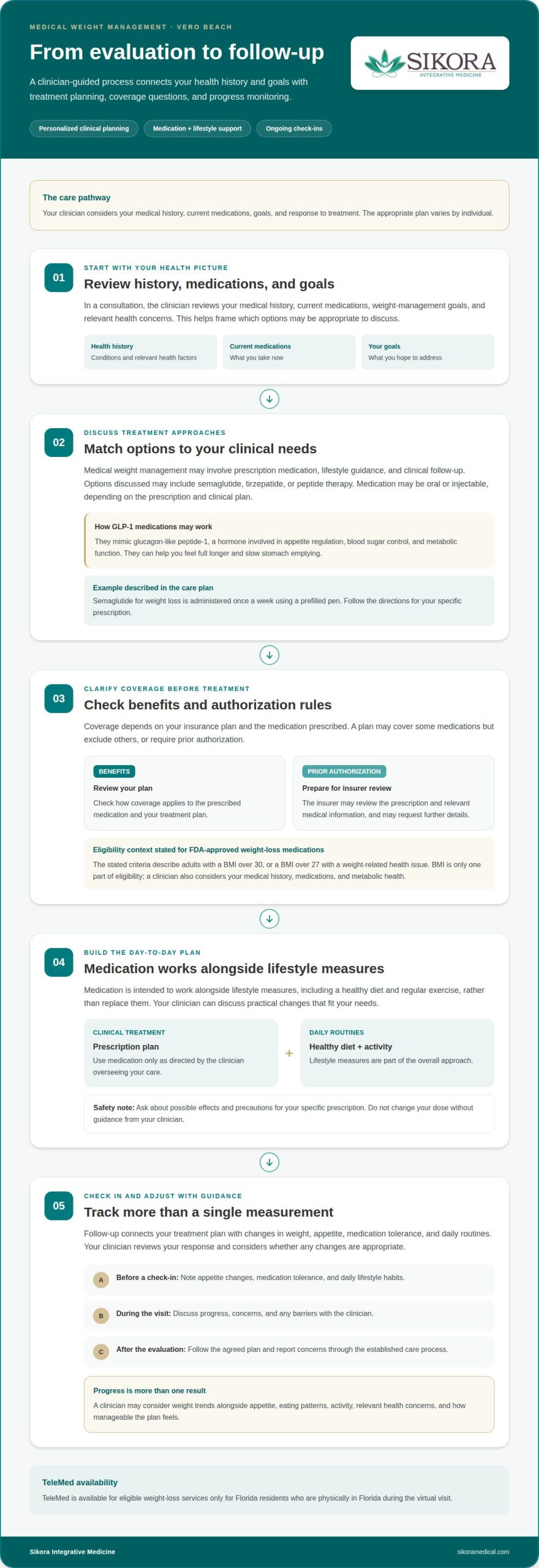
A medical weight loss clinic in Vero Beach can help you explore treatment options that may suit your health needs and goals, understand what an initial evaluation involves, and plan how to monitor progress. Getting started means reviewing your medical history and weight-management goals with a clinician, then discussing a personalized plan that may include medication, lifestyle guidance, or other clinical support.
It’s reasonable to want clear information about insurance and prior authorization before starting treatment. Coverage and approval requirements vary by plan and prescribed treatment. TeleMed is available for eligible weight-loss services, but only for Florida residents who are physically in Florida during the virtual visit.
This guide covers treatment approaches to discuss, how insurance and prior authorization may affect access, what progress monitoring can involve, and when TeleMed may be appropriate. You’ll also find practical steps for beginning medical weight management in Vero Beach.
Key Takeaways
- Review medication and supportive treatment options with a clinician to understand how a plan can align with your health history and goals.
- Learn how insurance benefits and prior authorization may affect access, and what information can help clarify the process.
- Understand how regular follow-ups can help track progress and guide adjustments to your weight-management plan.
- Find out whether telehealth is suitable for your care and what to expect when getting started in Vero Beach.
What types of weight loss or metabolic health treatments are offered?
Medical weight management may involve prescription medication, lifestyle guidance, and clinical follow-up. The appropriate approach depends on your health history, current medications, goals, and response to treatment.
In Vero Beach, Sikora Integrative Medicine offers medical weight-loss care, including programs involving semaglutide, tirzepatide, and peptide therapy. A clinician reviews your health history and medications, discusses whether an option may suit you, and plans follow-up based on your individual needs.
Treatment options may include oral medication or injectable medication. The route depends on the specific prescription and your clinical plan. For example, semaglutide for weight loss is administered by patients once a week using a prefilled pen. Medication works alongside lifestyle measures, including a healthy diet and regular exercise, rather than replacing them.
Semaglutide and tirzepatide are prescription options used in medical weight management. GLP-1 medications mimic glucagon-like peptide-1, a hormone involved in appetite regulation, blood sugar control, and metabolic function. They can help people feel full longer and slow stomach emptying. The specific medication and treatment plan depend on your individual health needs.
Personalized planning begins with a consultation. The clinician reviews your medical history, goals, and current medications, then discusses suitable options and practical lifestyle changes. Insurance coverage may affect access to a prescribed medication, so include it in your planning. Follow-up provides an opportunity to discuss your experience and whether any changes are appropriate.
Progress check-ins connect your treatment plan with your day-to-day experience. Discuss appetite changes, medication tolerance, lifestyle routines, and weight-management goals. If treatment is difficult to tolerate or does not fit your needs, share that with the clinician so they can review your care plan.
Possible side effects and risks vary by medication and health history. Before starting treatment, ask about the specific prescription’s potential effects and precautions, and how to report concerns during follow-up.
Insurance coverage and prior authorization
Insurance coverage for prescription weight-loss treatment depends on your plan and the medication prescribed. A plan may cover some medications but exclude others, or require prior authorization. Review your benefits as part of treatment planning so you understand how your coverage applies. Coverage for weight-loss services may vary by service and treatment plan.
For FDA-approved weight-loss medications, the stated eligibility criteria describe adults with a BMI over 30, or a BMI over 27 with a weight-related health issue. BMI is one part of eligibility. A clinician also considers your medical history, current medications, and metabolic health when discussing whether prescription treatment is appropriate.
Prior authorization is a review by your insurer to determine whether a prescribed medication qualifies for coverage. The process may require the prescription and relevant medical information, and the insurer may request further details. Your clinician can explain the documentation process and how the coverage decision may affect treatment planning.
Coverage decisions are separate from the clinical consultation. Your plan may apply its own rules for medication coverage and authorization. Body composition, weight-related health concerns, and a hormone history may inform clinical planning, but they do not establish your plan’s coverage terms. Review your benefits before starting a prescription so you understand how the plan applies.
If insurance doesn’t cover a medication, that decision doesn’t determine which other treatment options may be clinically appropriate. A clinician can discuss the available approaches and how they relate to your goals, lifestyle, and wellness needs. To explore medical weight-loss care, begin with a consultation focused on your health history, prescription options, and coverage questions. This can help you understand the next steps before deciding whether to proceed.
Ongoing monitoring and progress tracking
Follow-up helps relate your treatment plan to changes in weight, appetite, and daily routines. At each check-in, discuss your response, any side effects, and whether the plan remains manageable. This information helps the clinician evaluate your progress and consider whether changes are appropriate.
For medications such as semaglutide or tirzepatide, monitoring may include reviewing how you tolerate treatment and whether your response supports continuing the current approach. Dose changes are clinical decisions, not self-directed steps. Don’t change how you take a prescription without guidance from the clinician overseeing your care.
Useful progress tracking goes beyond a single measurement. A clinician may consider weight trends alongside appetite, eating patterns, activity, and relevant health concerns. For example, if your appetite changes but your routine feels difficult to maintain, bring up both at your next check-in. The evaluation should reflect your overall health and treatment experience, not just one result.
- Before a check-in: Note changes in appetite, medication tolerance, and daily lifestyle habits.
- During the visit: Review your progress, concerns, and any treatment barriers with the clinician.
- After the evaluation: Follow the agreed plan and report concerns through the established care process.
Regular follow-up also supports longer-term planning. If your progress changes, your clinician can review medication tolerance, routines, and health goals before discussing next steps. If treatment is paused or changed, ask how follow-up should continue so your care remains connected to your broader wellness plan.
Keep a simple record between visits. Brief notes about medication use, appetite, symptoms, and changes to your routine can make conversations more specific. At your evaluation, describe what changed, when it began, and how it affects daily life. These details support a focused discussion about continuing treatment or considering adjustments.
Telehealth medical weight loss care in Vero Beach
Telehealth can make medical weight-management follow-up more accessible when remote care is appropriate. In Vero Beach, TeleMed is available for eligible medical weight-loss services, with care shaped by your medical history and needs.
Local Clinic Options
Sikora Integrative Medicine offers TeleMed for eligible medical weight-loss services, as well as in-office care in Vero Beach. A connected plan links the initial evaluation, medication review, and follow-up rather than treating each visit as a separate event. Whether you discuss appetite changes or treatment response, care should reflect your health history and individual needs.
TeleMed can support follow-up without making every part of treatment virtual. The care team determines whether a remote visit suits the purpose of the appointment. Some care may require an in-office visit, so the format should be based on your evaluation and needs.
Provider Qualifications
Provider qualifications matter when discussing prescription treatment, because your health history and current medications inform clinical decisions. Sikora Integrative Medicine’s medical weight-loss care is physician-led by Dr. Alita Sikora, a board-certified physician in Physical Medicine and Rehabilitation. Individual evaluation connects treatment discussions to your health needs, rather than relying on general wellness advice alone.
During a remote appointment, share relevant health history, medications, appetite changes, and questions about treatment. These details help the clinician understand your situation and decide whether TeleMed is appropriate for the visit. A video consultation can support discussion and follow-up, but the clinician determines what evaluation or care format is suitable.
Before a TeleMed follow-up, note changes since your last appointment, such as medication concerns, appetite shifts, or changes to your usual routine. This gives the clinician specific information to consider during the visit instead of relying on a general impression of progress.
Telehealth may suit eligible follow-up care, but it doesn’t replace every in-person assessment. To discuss whether remote care fits your medical weight-loss needs, schedule a TeleMed consultation.
Sikora Integrative Medicine: Medical cannabis certification
Sikora Integrative Medicine offers medical weight-loss care in Vero Beach for adults seeking clinical guidance with weight management. If you’re considering prescription treatment, a consultation can connect your health history and goals with appropriate options. The care team can also discuss progress monitoring and whether TeleMed is suitable for eligible medical weight-loss services.
Medical cannabis certification is a separate service for eligible Florida patients seeking an evaluation and certification. It is not a weight-loss treatment, but may be relevant if you are looking for that distinct form of care. Sikora Integrative Medicine also offers Stem Cells and PRP for other health concerns, each with a separate clinical purpose.
If you’re ready to discuss medical weight management or a separate evaluation, contact Sikora Integrative Medicine.
Take the Next Step Toward Personal Health Goals
Choosing medical weight-loss care in Vero Beach is a personal decision. Start with a focused conversation about your goals, health history, and daily routines. Then discuss whether physician-led care and the available treatment options may fit your needs.
Sikora Integrative Medicine also offers Hormone Therapy, PRP, and Stem Cells for people exploring other areas of medical care. These services address different concerns, so the relevant options depend on why you are seeking support. The clinical team can discuss care options that relate to your goals.
If you’re ready to discuss medical weight management or another care need, contact Sikora Integrative Medicine. A clear conversation can help you decide on a thoughtful next step.
Frequently Asked Questions
How Do I Get Started?
Begin with an evaluation from a qualified healthcare provider. Before your visit, prepare a current medication list, note previous weight-management approaches, and write down your main questions. TeleMed is available only to Florida residents who are physically in Florida during the virtual visit. This information is for educational purposes only, not medical advice. Consult a qualified healthcare provider about your care.
What weight loss treatments are available at Vero Beach clinics, including GLP-1 medications?
Medical weight-loss options may include GLP-1 medications such as semaglutide and tirzepatide, peptide therapy, and supportive options like MIC injections, B-complex, B12, and L-carnitine. Not every option suits every patient. A clinician can review your health needs and medication history to discuss appropriate approaches. Ask how each option fits into a plan that also considers your daily routines.
What should I know about medical weight loss programs in Vero Beach?
Programs may differ in the treatments and follow-up they include. During a consultation, ask which services are part of the proposed plan, how progress will be reviewed, and what might prompt a change in approach. These details can help you understand the care process and decide whether its structure fits your goals and health needs.
Do Vero Beach weight loss clinics accept insurance?
Coverage depends on your plan, the prescribed treatment, and any authorization requirements. Different services may have different coverage rules, so review the benefits that apply to the specific service you are considering. If prior authorization is required, ask what clinical information the insurer needs and how the review process may affect treatment planning.
How can I book a consultation at a medical weight loss clinic in Vero Beach?
Call (772) 228-6882 to arrange a consultation in Vero Beach. For a TeleMed visit, you must be a Florida resident and physically in Florida during the appointment. Some evaluations may require an in-office visit, depending on the service and clinical assessment. When scheduling, share whether you prefer an in-person or virtual appointment so the visit can be planned accordingly.
Article by
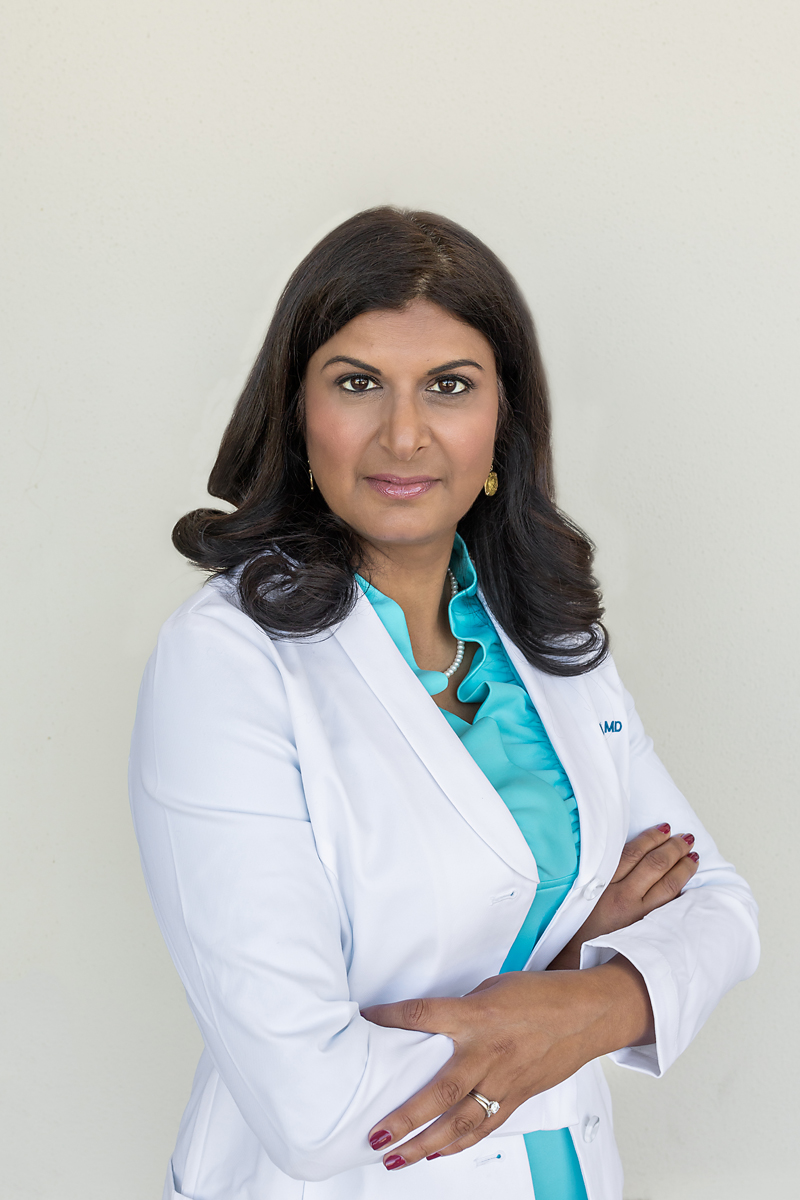
Alita G. Sikora, MD
Dr. Alita Gonsalves Sikora, MD, specializes in Physical Medicine and Rehabiltation (also known as Physiatry) and has practiced in Vero Beach since 2007. She started her own practice, Sikora Integrative Medicine, in 2017 in Vero Beach and also offers telemedicine to Florida residents.
Physical Medicine and Rehabilitation is a medical specialty focused on restoring function and treating pain in the bones, muscles, joints, and nervous system, most often without surgery. She trained at the University of Connecticut School of Medicine and did her residency training at NY Presbyterian (Columbia and Cornell) in NYC.
She offers regenerative and integrative approaches, treating chronic pain and musculoskeletal conditions with stem cells, PRP, exosomes, peptides, shockwave therapy, laser therapy, acupuncture, and prolotherapy, as well as traditional medications and injections. She also certifies qualified patients for medical marijuana in the state of Florida.
She also offers bioidenical hormone optimization including pellets, medical weight loss, peptides, IV vitamin therapy, and functional lab testing.

 1255 37th St. Suite B,